March 6, 2026
Your roof plays a central role in protecting your home from weather, moisture, and structural damage. Over time, wear and tear can leave homeowners wondering whether simple repairs will solve the problem or whether a full replacement is necessary. Making the right decision requires careful evaluation of visible damage, roof age, safety concerns, and long-term financial impact.
While minor issues can often be resolved with targeted fixes, more extensive deterioration may signal the need for a complete overhaul. Consulting with a trusted roofing company can provide clarity, especially when signs of damage are not immediately obvious. By understanding what to look for and how to evaluate your options, you can protect your home and make a confident, informed decision.
Assessing Visible Damage
Inspecting Shingles
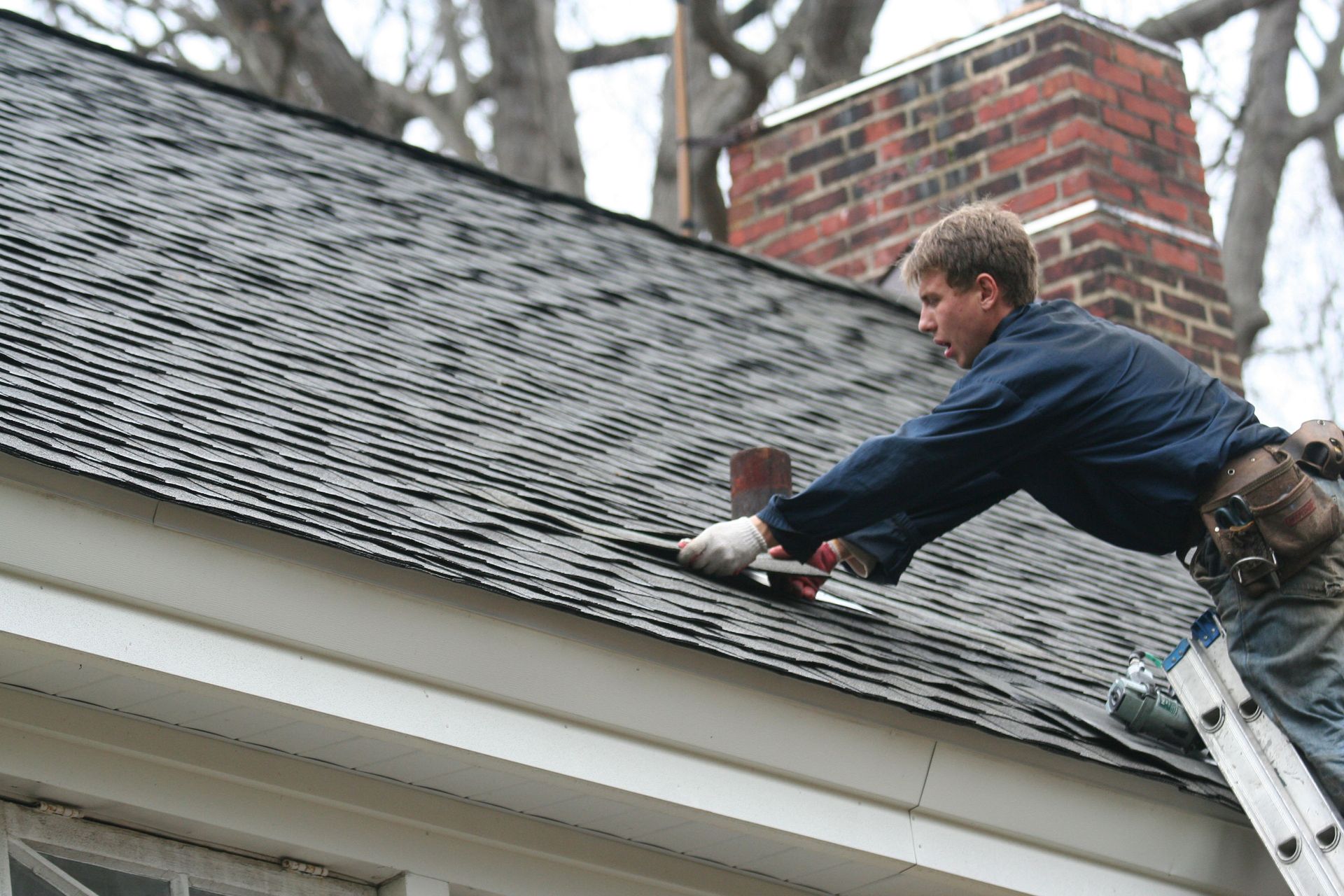
Shingles are the first line of defense against rain, wind, and sun exposure. If you notice cracked, curling, buckling, or missing shingles, your roof may no longer be fully protecting your home. A few isolated damaged shingles can usually be repaired, particularly if the roof is relatively new.
However, if large sections show deterioration, granule loss, or bald patches, these are signs that the materials are reaching the end of their lifespan. When damage is widespread, patchwork repairs may only provide temporary relief. In these cases, a professional roofing company can assess whether replacement will offer better long-term protection and cost efficiency.
Checking for Leaks and Interior Warning Signs
Water stains on ceilings, peeling paint, mold growth, or damp attic insulation often indicate roof leaks. Even small leaks can escalate into serious structural damage if left untreated. Moisture can compromise framing, insulation, and drywall, leading to costly interior repairs.
If leaks are isolated and caught early, repairs may be sufficient. But recurring leaks in multiple areas often point to systemic roof failure. An experienced roofing company can trace the source of leaks and determine whether the issue is limited to flashing or underlayment, or if the entire roofing system is compromised.
Evaluating Flashing and Roof Penetrations
Flashing protects vulnerable areas around chimneys, skylights, and vents. Damaged, rusted, or improperly sealed flashing can allow water intrusion even if shingles appear intact. Because flashing failure is common, it is important to inspect these transition areas closely.
If flashing damage is localized, repair may resolve the issue. However, if flashing problems are widespread or tied to improper installation, a roofing company may recommend broader corrective work to restore long-term integrity.
Gutters and Drainage Systems
Your roof’s health is closely tied to proper drainage. Clogged, sagging, or damaged gutters can cause water to back up under shingles and deteriorate roof decking. Pooling water increases the risk of rot and structural weakening.
Routine gutter maintenance can prevent these issues, but if drainage problems have already caused significant damage, more extensive roof repairs may be required. A roofing company can inspect both the roof and gutter system together to evaluate the full scope of impact.
Considering Roof Age and Material Lifespan
Expected Lifespan by Material Type
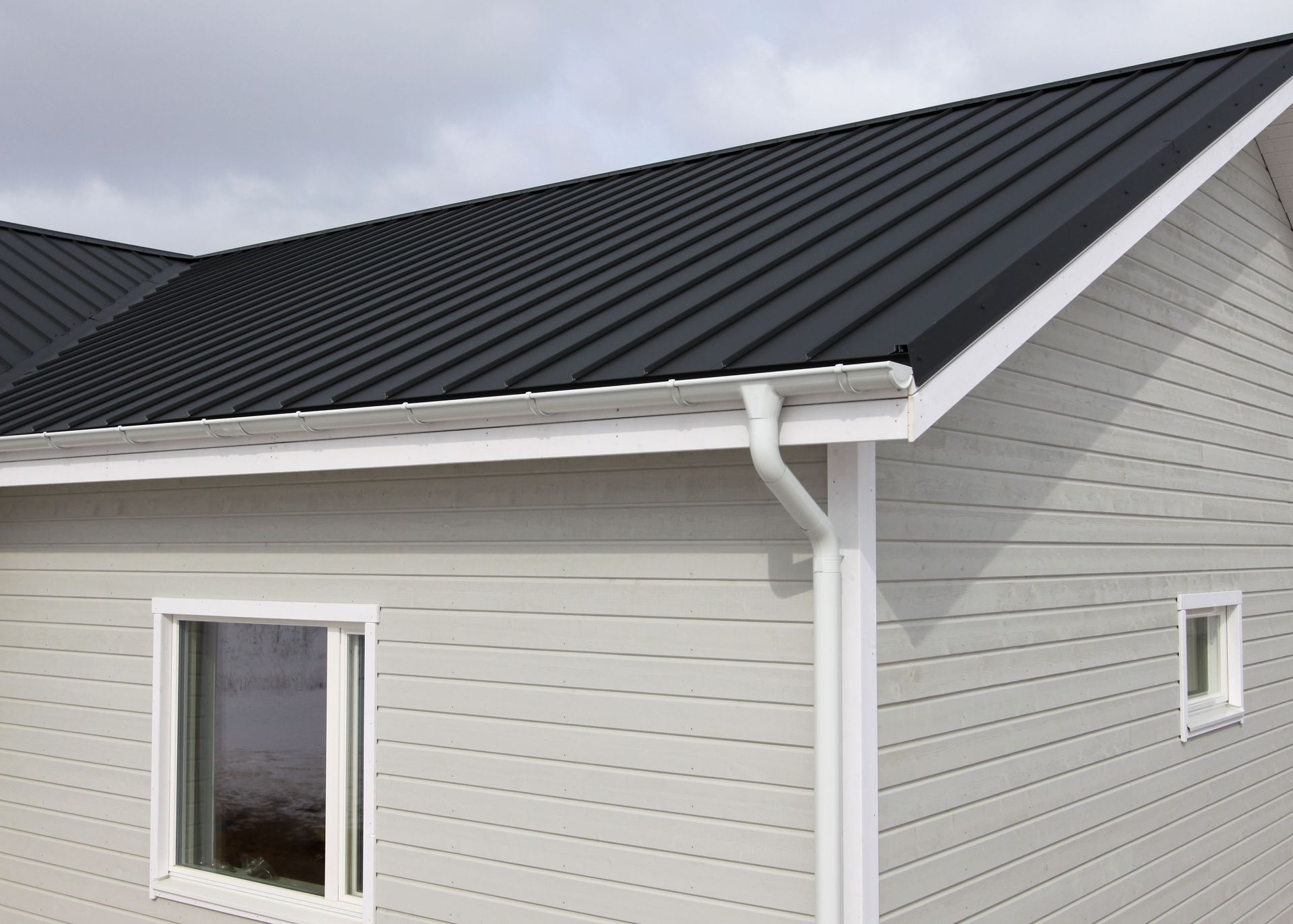
Different roofing materials have different life expectancies. Asphalt shingles typically last between 20 and 25 years. Metal roofs may last 40 to 70 years, while clay or concrete tile can exceed 50 years with proper maintenance.
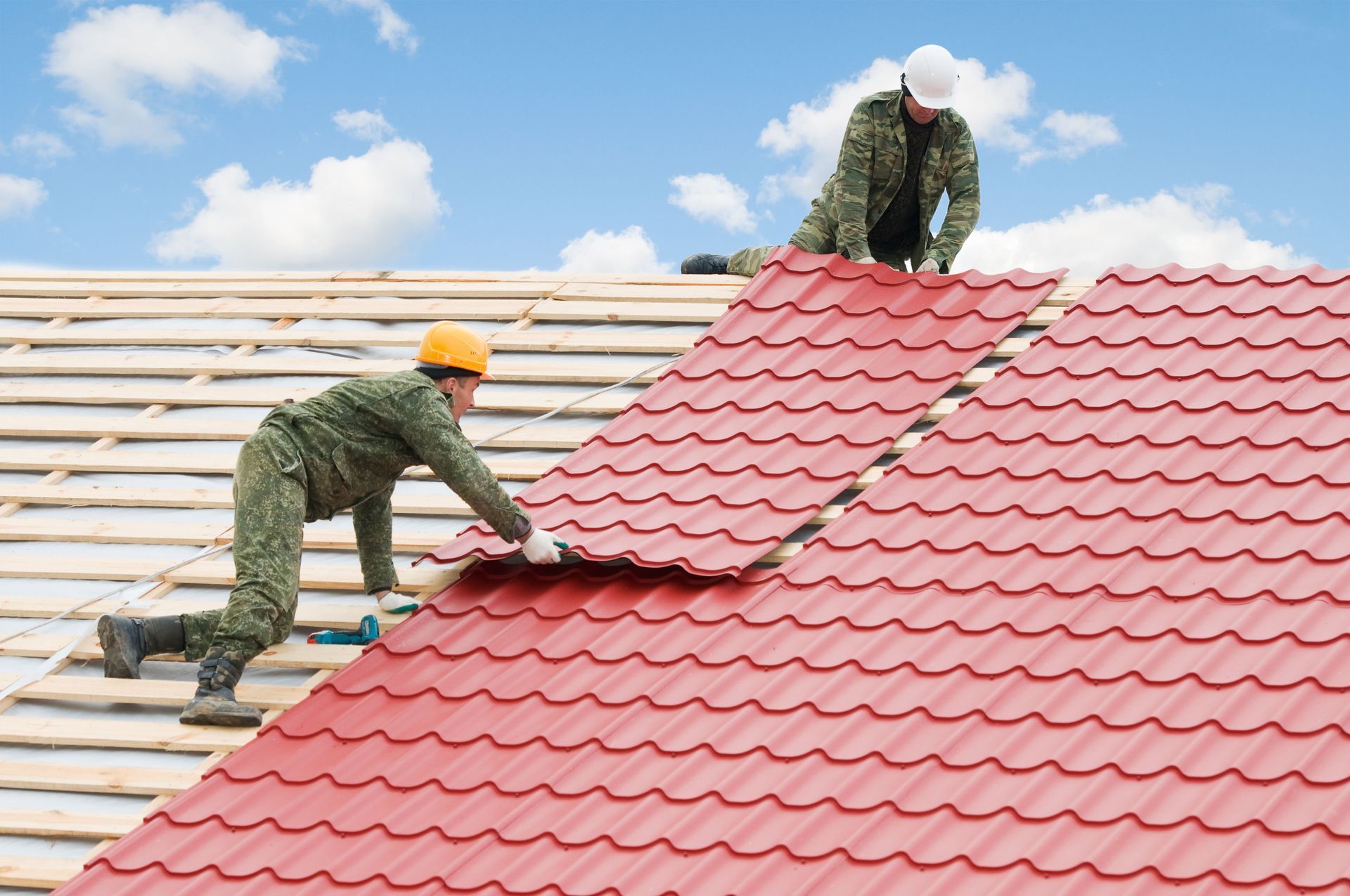
If your roof is approaching or exceeding its expected lifespan, replacement may be more practical than investing in repeated repairs. A roofing company can evaluate whether aging materials are still structurally sound or nearing total failure.
Climate and Environmental Impact
Extreme weather accelerates roof deterioration. Regions with heavy snow, strong winds, hurricanes, or intense sun exposure place added stress on roofing materials. Temperature fluctuations can cause expansion and contraction, leading to cracks and weakened seals.
According to Allstate, homeowners should have their roofs professionally inspected at least once a year. Regular inspections by a roofing company help identify climate-related damage before it becomes severe.
History of Repairs
If your roof has required frequent repairs over the past several years, this pattern may indicate that the system is failing. While occasional maintenance is normal, repeated patchwork fixes can add up financially without solving the root issue.
When repair costs begin approaching a significant percentage of replacement cost, a roofing company may recommend investing in a new roof instead of continuing temporary fixes.
Financial Considerations
Short-Term vs. Long-Term Costs
Repairs typically cost less upfront than a full replacement. However, repeated service calls, labor charges, and material costs can accumulate over time. In contrast, replacement involves a higher initial investment but often reduces ongoing maintenance expenses.
A roofing company can provide detailed estimates for both scenarios, allowing you to compare projected long-term savings with immediate repair expenses.
Energy Efficiency Benefits
Modern roofing systems incorporate improved insulation, reflective materials, and better ventilation design. These upgrades can lower heating and cooling costs by reducing energy loss.
If your current roof lacks adequate ventilation or insulation, replacement may improve indoor comfort and energy performance. A knowledgeable roofing company can explain energy-efficient options suited to your home.
Insurance Coverage
Homeowner’s insurance may cover roof damage caused by storms, hail, or falling debris. However, policies vary in terms of repair versus replacement coverage. Reviewing your policy carefully is important before making decisions.
Many homeowners rely on a roofing company to document storm damage and assist with inspection reports required for insurance claims.
Safety and Structural Integrity
Signs of Structural Weakness
Sagging rooflines, dipping sections, or visible daylight through attic boards are serious red flags. Structural issues often indicate damage to decking or framing beneath the shingles.
These problems should never be ignored. A roofing company can assess whether reinforcement repairs are possible or if structural compromise requires full replacement.
Attic Ventilation and Moisture Control
Proper attic ventilation prevents moisture buildup that can rot wood and damage insulation. Poor ventilation can shorten roof lifespan and increase energy costs.
If moisture issues are persistent, a roofing company may recommend ventilation upgrades alongside repair or replacement work.
Pest and Infestation Damage
Rodents and insects can create entry points that weaken roof decking and insulation. Over time, infestations may compromise structural integrity.
Addressing pest damage promptly, often with guidance from a roofing company, helps prevent more extensive deterioration.
Professional Inspections and Expert Opinions
Benefits of Professional Evaluation
While homeowners can perform visual checks from the ground, professional inspections provide deeper insight. Roofing specialists use trained observation and safety equipment to evaluate hidden concerns.
A reputable roofing company can detect subtle warning signs that may not be visible during a casual inspection.
Getting Multiple Assessments
Obtaining more than one opinion can provide perspective on repair versus replacement recommendations. Comparing estimates and evaluations helps confirm whether proposed work is necessary.
Selecting a reliable roofing company with proper licensing, insurance, and positive reviews ensures quality workmanship and dependable guidance.
Environmental and Legal Considerations
Building Codes and Permits
Roof replacements often require permits and must comply with local building codes. Failure to meet these standards can result in fines or complications during resale.
A professional roofing company typically manages the permit process and ensures work meets code requirements.
Sustainable Material Options
Environmentally conscious homeowners may consider recycled shingles, metal roofing, or solar-compatible systems. Sustainable materials can reduce waste and improve efficiency.
A roofing company can explain eco-friendly options that align with both performance and environmental goals.
Determining whether you need roof repair or a full replacement involves evaluating visible damage, roof age, safety concerns, and financial impact. While small issues can often be addressed with targeted repairs, recurring problems and widespread deterioration may signal the need for replacement. Professional guidance plays a crucial role in making the right choice. By working with a qualified roofing company, homeowners gain the insight needed to protect their investment, improve efficiency, and maintain long-term structural integrity. Call JM Construction Group, LLC today for more information.