September 10, 2026
This article provides comprehensive guidance for homeowners considering hiring professional roofers. It covers essential factors and checkpoints crucial for making informed decisions to ensure quality and reliability. With a significant investment in your property's future, choosing the right roofer can prevent costly pitfalls and ensure that your home remains safe and secure. By understanding the intricacies involved in hiring a roofer and familiarizing yourself with the due diligence required, you are equipping yourself to make a decision that best fits your requirements.
Researching Roofing Contractors
Assessing Track Record and Experience
Experience is a significant indicator of a contractor's capability, especially in handling different roofing scenarios. Investigate the contractor's history by examining past projects to see the diversity and complexity of work they've managed. Experienced roofers are likely to have encountered a variety of challenges, equipping them with problem-solving capabilities which are crucial for a successful outcome. During your assessment, consider the contractor's longevity in business, as this can suggest reliability and sustained customer satisfaction. A stellar track record not only reassures you of their expertise but also enhances confidence in the project's success.
Verifying Licenses and Insurance
Verifying that a contractor holds the appropriate licenses and insurance is pivotal for your protection and assurance of regulatory compliance. Licensure ensures the contractor meets state or regional standards for practicing in the field, reducing the risk of engaging an unqualified individual. Insurance, on the other hand, provides safeguards against potential liabilities, ensuring that any property damage or worker injury doesn’t become a financial burden on you. Ensuring that your chosen roofers hold general liability and workers' compensation provides comprehensive protection throughout the project. Such verifications not only protect your investment but are also indicative of a professional contractor committed to ethical practices.
Requesting and Comparing Quotes
Once potential contractors have been shortlisted, requesting detailed quotes is a key step in making financial comparisons. These quotes should outline all costs, from materials and labor to contingencies like weather delays or unforeseen repairs. By comparing multiple quotes, homeowners can identify market rates, making it easier to spot outliers that may indicate overcharging. According to the National Roofing Contractors Association's Second Quarter 2025 Market Index Survey, 35% of roofing companies reported an increase in signed project contracts over the previous year, highlighting a competitive market. Comparing quotes from local roofers not only helps in budget planning but also provides leverage in negotiations to get the best value for your investment.
Understanding Roofing Materials
Evaluating Types of Roofing Materials
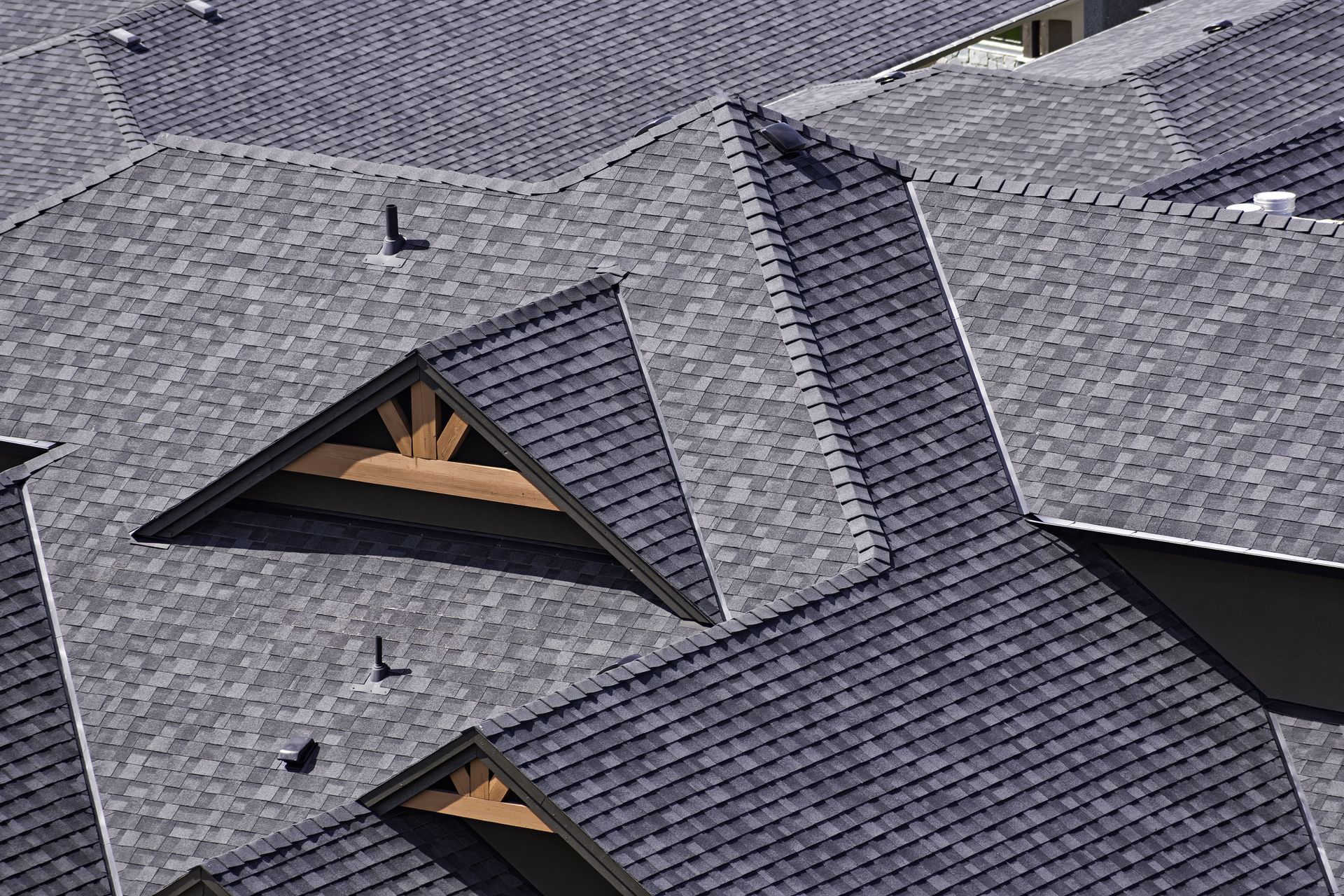
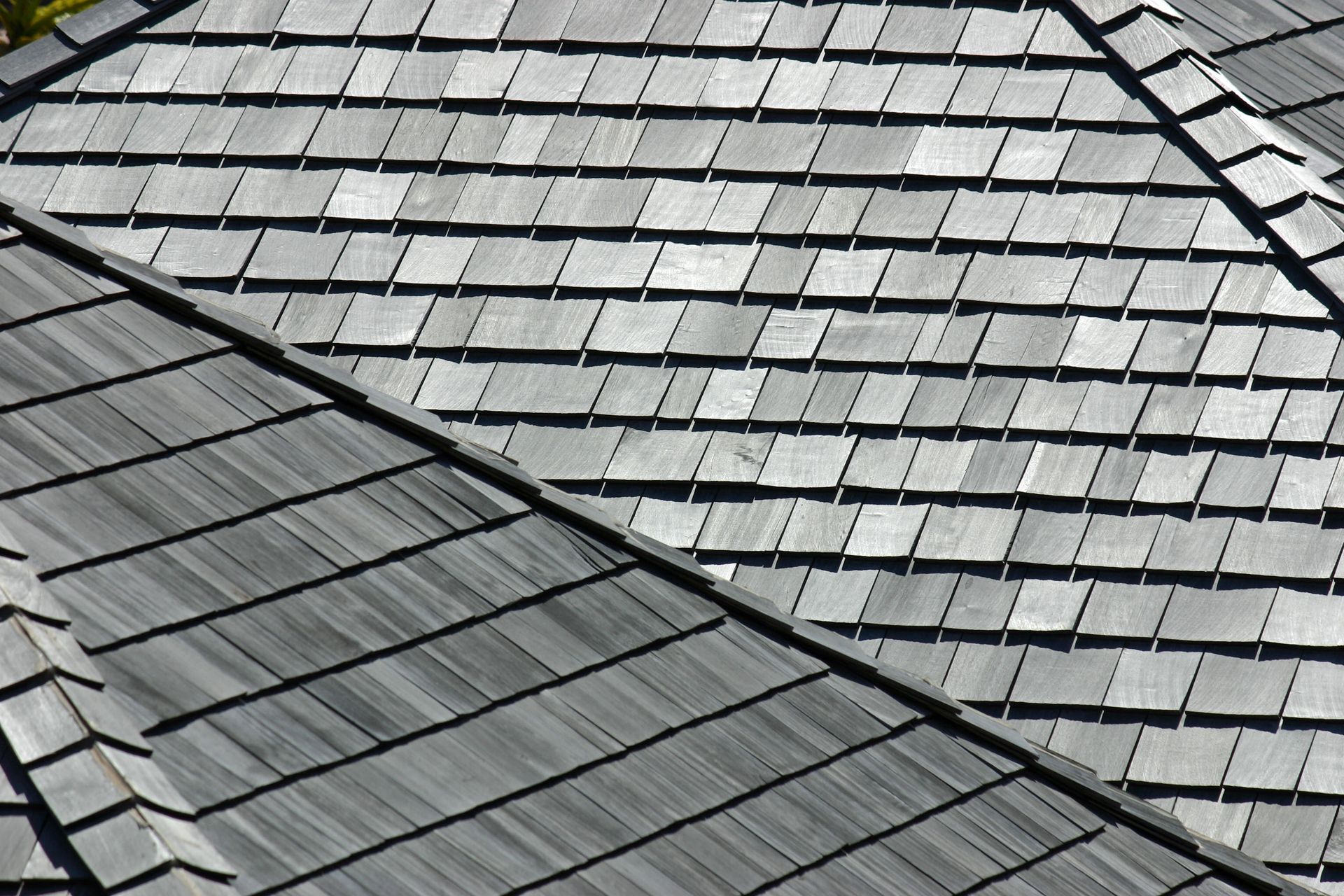
The array of roofing materials available offers homeowners flexibility in design and functionality but also necessitates informed decision-making. Common materials include asphalt shingles, metal roofing, tiles, and wood shakes, each with distinct advantages and limitations. Asphalt shingles, for instance, are highly popular due to their affordability and ease of installation, while metal roofs offer unmatched durability and modern aesthetics. Understanding the characteristics of these materials helps homeowners align their choices with practical needs, aesthetic preferences, and regulatory considerations. When choosing materials, consider factors such as local climate conditions and your property’s architectural style.
Comparing Material Durability and Lifespan
One of the critical factors influencing roofing decisions is material durability, directly affecting its lifespan and replacement frequency. Asphalt shingles typically last 15-30 years, metal roofing 40-70 years, while slate can last over a century if properly maintained. Evaluating the lifespan of materials helps you anticipate future costs and make an investment decision that aligns with long-term property goals. It is advisable to consult with professional roofers to understand how materials perform under local weather conditions, which directly impacts durability. By comparing these aspects, you ensure your roofing choice provides lasting protection and value.
Analyzing Costs Among Materials
Cost is a significant consideration when selecting roofing materials, with prices influenced by durability, aesthetics, and installation complexity. Asphalt shingles are generally the most cost-effective option, while metal, cedar shakes, and tiles represent higher upfront investments. However, these higher costs may lead to fewer replacements and repairs over time, making them economically advantageous in the long run. Comparing initial expenses with potential maintenance and replacement costs is crucial in selecting a cost-effective roofing solution. An informed cost analysis helps you balance budget constraints with the desire for quality and durability.
Recognizing Red Flags
Spotting Common Scams and Fraudulent Practices
Unfortunately, the roofing industry is not immune to scams and fraudulent practices, making it critical for homeowners to be vigilant. Common scams include fly-by-night operators who appear after a storm, promising cheap, quick fixes, only to disappear without doing the work. Some contractors may ask for full payment up front and then fail to deliver the agreed services. Staying informed about such practices helps in avoiding contractors with a history of unethical behavior. Partnering with established, well-reviewed roofers with verified credentials minimizes exposure to potential fraud.
Identifying Unlicensed Contractors
Engaging unlicensed contractors poses substantial risks to homeowners, including subpar workmanship and legal liabilities. Unlicensed contractors often lack formal training, insurance, and the credentials to execute roofing projects to industry standards. Homeowners should be cautious of contractors who hesitate to provide proof of licensure, insurance, or references. Verification with state or local licensing bodies confirms the legitimacy of a contractor's professional standing. By ensuring that hiring licensed roofers is a priority, homeowners protect themselves from potential legal issues and guarantee adherence to safety and quality standards.
Detecting Signs of Poor Workmanship
Poor workmanship in roofing can lead to significant repair costs and compromised property safety. Indicators of shoddy work include uneven shingles, improper flashing installation, and visible roofing nails. Water leaks, sagging roofs, and improperly aligned gutters are also potential red flags. Observing these issues during or after installation should prompt immediate consultation with a professional inspector. Relying on certified roofers for thorough inspections at project completion helps in addressing potential workmanship issues before they exacerbate and ensures project quality.
Negotiating Contracts and Payment Terms
Understanding Contractual Terms
A detailed and well-understood contract is essential for formalizing agreements between homeowners and roofing contractors. Contracts should explicitly outline project scope, timelines, payment schedules, warranties, and any contingencies. Understanding each clause protects against potential disputes and ensures that both parties have clear expectations. Reviewing contracts with a legal advisor can offer clarifications on complex terms and reassure you about contractual obligations. Such diligence secures both the homeowner's and contractor's interests, contributing to a successful project experience.
Structuring Payment Schedules and Methods
Negotiating a transparent and equitable payment schedule is crucial to manage cash flow and ensure project accountability. Contracts typically outline payment methods (e.g., cash, check, electronic transfers) and a phased payment structure that aligns with project milestones. This phased approach protects against the risk of paying for uncompleted work and maintains contractor engagement. Negotiating clear terms regarding what constitutes project completion per milestone assures both parties of the agreed progress. By establishing an amicable payment protocol with qualified roofers, homeowners validate contractor commitment and project timelines while minimizing financial strain.
Establishing Conflict Resolution Procedures
A strong contract includes clearly defined procedures for resolving disputes, ensuring professional and amicable conflict management. This section should detail steps for mediation, arbitration, or legal action as appropriate to handle potential disagreements. Acknowledging conflict potential and formalizing resolution pathways minimizes project disruptions and clears a path for constructive engagements. Consulting with legal professionals ensures resolution procedures are aligned with regional legal frameworks and personal requirements. These measures underscore a commitment to fair dealings and professional conduct no matter the scenario.
Homeowners need to be diligent and informed when hiring roofers. By considering these essential factors and taking proactive steps, they can secure quality workmanship and protect their investment. With strategic decision-making and thorough contractor evaluations, homeowners are positioned to achieve successful roofing outcomes that meet expectations and enhance property value. Partnering with reputable professionals ensures that their roofing needs are met with integrity, quality, and satisfaction.
Ensure your home gets the durable protection it deserves by contacting JM Construction Group, LLC today for a comprehensive roofing estimate!